
MODULE 7
High-Risk Works and Specific Procedures
Master the requirements for the most hazardous industrial activities: working at height, confined spaces, and hot works.
7.1 Hot Work (Welding and Cutting)
“Hot work” refers to any operation that generates flames, sparks, or sufficient heat to initiate combustion.
- Physical Risks: UV/IR radiation (eye damage), burns, and electric shocks.
- Chemical Risks: Welding fumes (suspended metal particles).
Critical Measures:
- The 15-Meter Rule: Remove all flammable material within this radius or cover it with fire-retardant blankets.
- Fire Watch: A person must monitor the area during the task and for 30–60 minutes after completion.
- Ventilation: Use local exhaust ventilation (LEV) to capture fumes at the source.
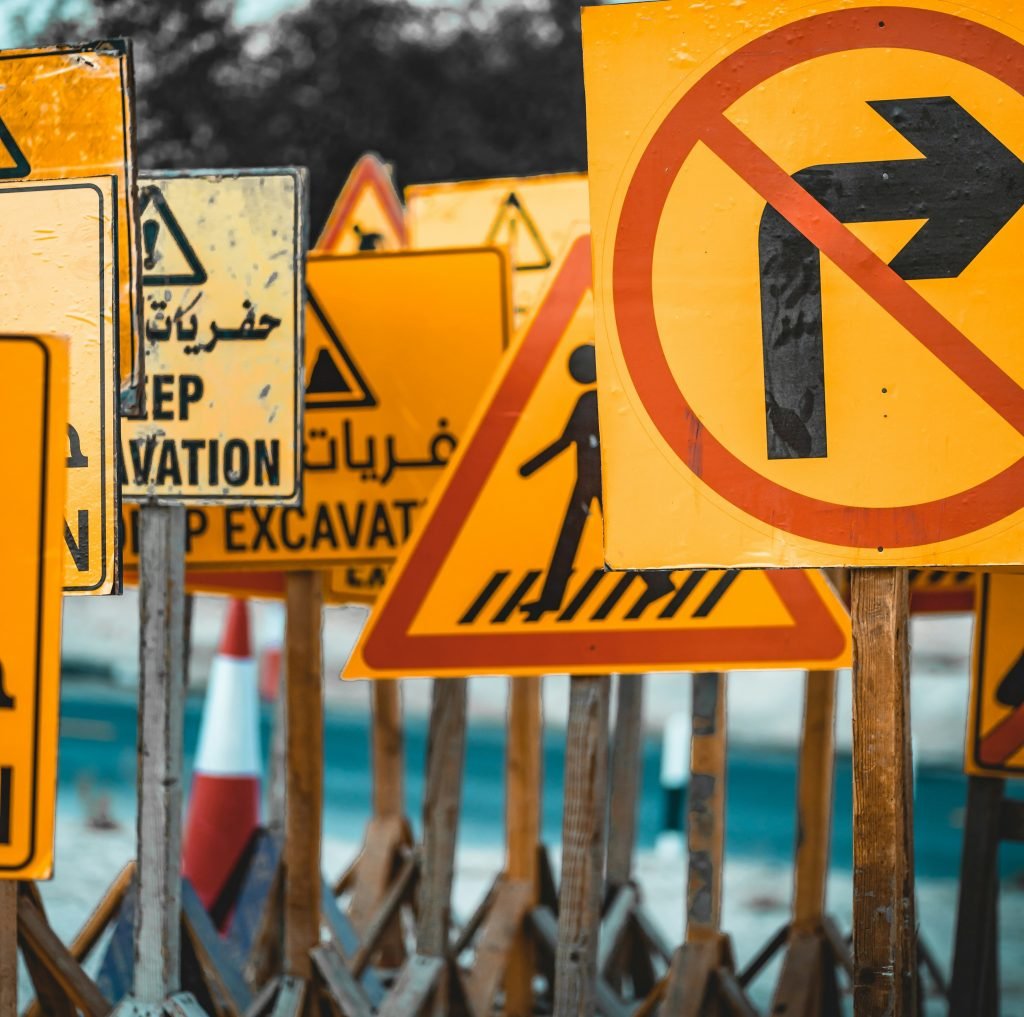
7.2 Excavations and Underground Work
The most serious danger in an excavation is not just a cave-in, but interference with hidden utilities.
- KLIC Protocol: Before breaking ground, consult maps for underground pipes and cables.
- Wall Stability: For depths exceeding 1 meter, shoring (bracing) or battering (sloping) is mandatory to prevent burial.
- Material Stockpiling: Excavated soil and machinery must be kept at least 1 meter away from the edge.
7.3 Confined Spaces
A confined space is not designed for continuous human occupancy and has limited entry/exit openings.
- Atmospheric Testing: Before entry, measure O₂ (19.5%–23.5%), flammable gases (LEL), and toxic gases (H₂S, CO).
- Safety Watch (Standby Person): Stationed outside, maintaining constant communication. Never enters for rescue without proper equipment.
- Rescue Plan: Availability of a rescue tripod, harness, and self-contained breathing apparatus (SCBA).
7.4 Working at Heights and Floor Openings
- Collective Protection (Priority): Guardrails (handrail at 1m, intermediate rail, and toe board) and safety nets.
- Individual Protection: Fall arrest harness connected to a certified anchor point.
- Floor Openings: Must be covered with materials that support at least twice the intended weight, secured against accidental movement, and clearly marked.
7.5 Demolition and Hazardous Substances
- Demolition Order: Always from top to bottom and in the reverse order of the building’s construction.
- Asbestos: If asbestos is suspected, work must stop immediately. Only certified companies with decontamination equipment are permitted to handle it.
Comparative Table of Control Measures
| Specific Risk | Key Control Tool | Vital Protective Equipment |
|---|---|---|
| Welding | Protective screens / LEV | Mask with actinic filter |
| Excavation | Shoring / Sloping | S3 Safety footwear |
| Confined Space | Gas detector / Safety watch | SCBA / Rescue tripod |
| Work at Height | Guardrails / Safety nets | Full-body fall arrest harness |
| Demolition | Structural planning / Order | Full PPE + asbestos suit if needed |