- +32 493 43 62 95
- +34 640 866 499
- info@internationaltqi.com

B-VCA COURSE
Module 2. Safety Behavior and Culture
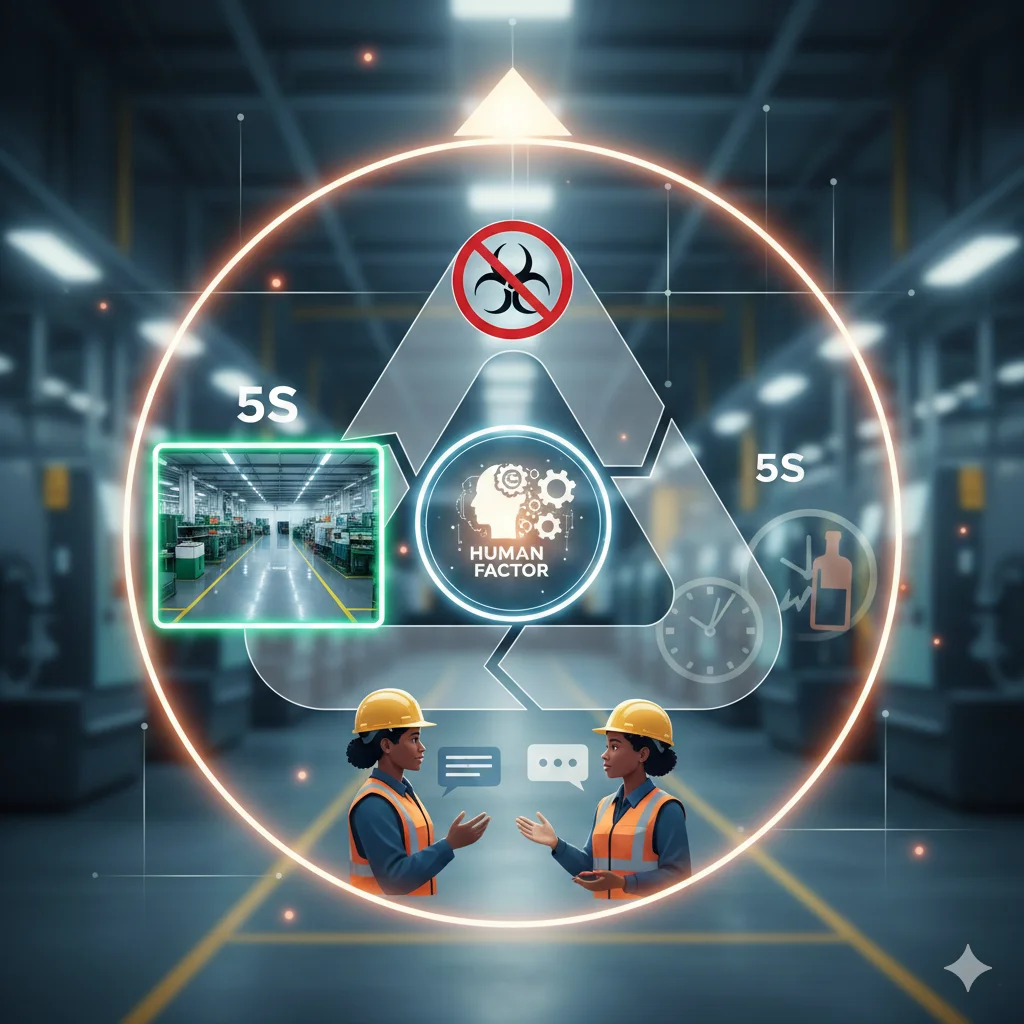
Technical safety (machinery and laws) is ineffective if human behavior does not align with it. This module focuses on a proactive attitude and shared responsibility.
2.1 The Human Factor and Behavioral Safety
Safe behavior is not just about following rules; it is about choosing the safest option even when no one is watching.
Pillars of Safe Behavior:
Self-care and Mutual Care: You are responsible for your own integrity and for alerting your colleagues if you detect risky behavior.
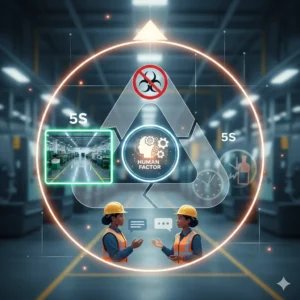
Order and Tidiness (5S Methodology): A cluttered environment hides hazards (trips, spills, fires). Keeping the area clear is the foundation of prevention.
Assertive Communication: The ability to correct a colleague or stop a job without creating conflict, prioritizing life over speed.
2.2 Protocol for Dealing with Unsafe Acts
When you detect a dangerous practice, the VCA standard suggests a professional escalation:
| Step | Action | Description |
| 1. Direct Intervention | Talk to the colleague | Stop the action politely and explain the detected risk. |
| 2. Correction | Seek a solution | Ensure the task is restarted using the correct safety measures. |
| 3. Reporting | Notify the supervisor | If the person persists or the risk is structural, reporting is mandatory to prevent a future accident. |
2.3 Factors Altering Risk Perception
Certain elements can “blind” a worker to danger. Identifying them is vital to maintaining alertness:
Overconfidence: Thinking “I’ve been doing it this way for 20 years and nothing ever happened.”
Haste and Pressure: Saving 5 minutes can cost a life.
Fatigue and Stress: These reduce reaction time and concentration levels.
2.4 Alcohol, Drugs, and Medicine Policy (ADM)
The consumption of psychoactive substances is incompatible with industrial safety. The B-VCA standard is strict on this point due to the impairment of cognitive and motor skills.
Consequences of Substance Use at Work:
Reduced Reaction Time: Inability to respond to an alarm or a mechanical failure.
False Sense of Security: The worker takes unnecessary risks or ignores warning signs.
Legal Impact: Consumption is usually grounds for dismissal and voids insurance coverage in the event of an accident.
Important Note on Medication: Many legal medications (for allergies, anxiety, or pain) can cause drowsiness. You must inform the occupational physician or supervisor if you are under treatment to adjust your tasks accordingly.
2.5 Summary of Best Practices
To maintain professional conduct, follow this daily checklist:
Before starting: Perform an LMRA (Last Minute Risk Analysis).
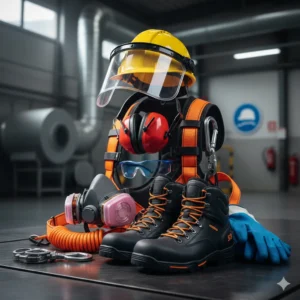
During the task: Maintain concentration and use the specific PPE (Personal Protective Equipment) required.
Upon completion: Put away tools, clean up spills, and secure the area for the next shift.

INTERNATIONAL TQI
VCA Training and Courses
DISCOVER MORE
VCA Training Center
Online Courses
To obtain the official certificate, it is necessary to take the exams and attend the courses in person.
Contact
Direction:
Van Maerlantstraat, 2060. Amberes
Days:
Monday, Wednesday, and Friday
Schedule:
16:00 – 18.30
Phone:
+32 493 43 62 95
+34 640 866 499
Mail: info@internationaltqi.com
©2025. internationaltqi.com | tqivca.com . All Rights Reserved.