
B-VCA COURSE

Module 11: Incident Management

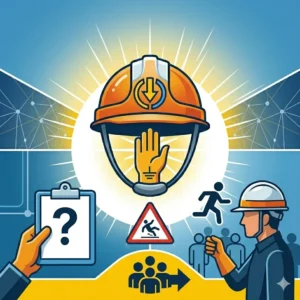
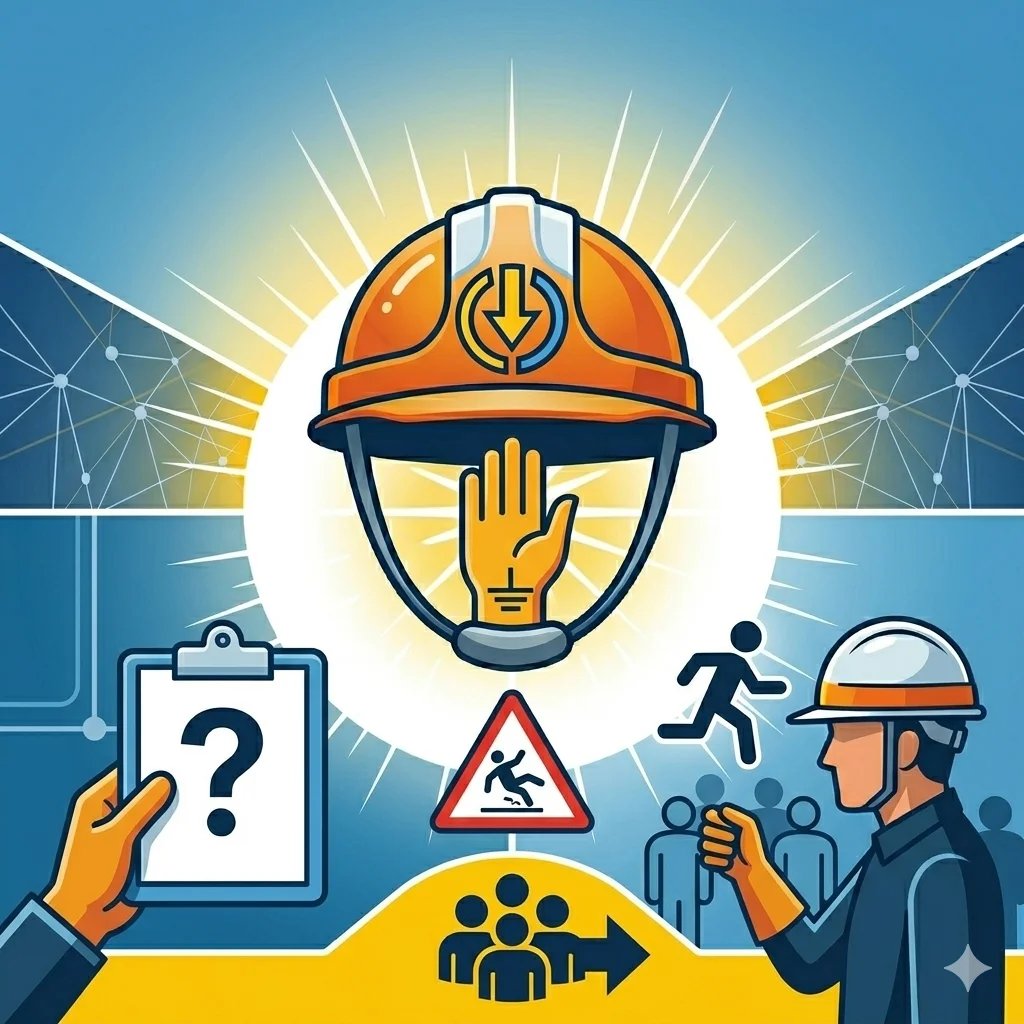
A square professional safety illustration without text. The center features a safety helmet with a glowing white halo and a hand-stop symbol, representing accident prevention. The lower section includes a hand holding a clipboard with a question mark (investigation), a warning triangle for slips (incident identification), an evacuation icon showing figures moving toward an exit, and a profile of a worker in a safety helmet. The design uses a clean vector style with safety oranges, technical blues, and bright yellows.

Industrial safety is built on a foundation of continuous learning. To prevent major accidents, we must first be able to identify and report events that caused no immediate harm but had the potential to be fatal.

11.1 The Accident Pyramid (Bird’s Triangle)

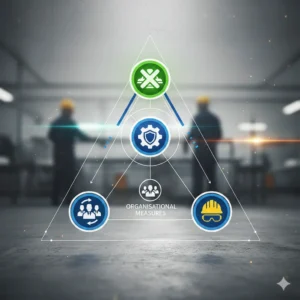
In industrial safety, we apply the theory that for every major accident, hundreds of previous incidents occurred but went unreported. Addressing the base of the pyramid prevents the peak.

  • Incident: An unexpected event that results in no damage or injury (e.g., a tool falls from a scaffold but hits no one).
  • Near Miss: An event that had the clear potential to cause serious harm, but by chance, did not (e.g., a worker slips at the edge of an open pit but manages to catch themselves).
  • Accident: An unplanned event that results in physical injury, ill health, or significant material damage.

The Investigation Procedure

Following an accident, the objective is not to assign blame, but to identify the root cause.

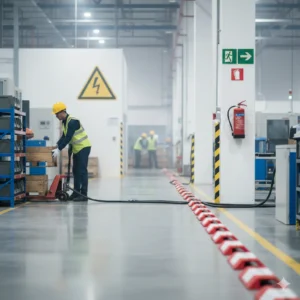
  1. Secure the area: Prevent the accident from recurring or affecting emergency responders.
  2. Notification: Immediately inform the supervisor and, if necessary, the relevant labour authorities (HSE).
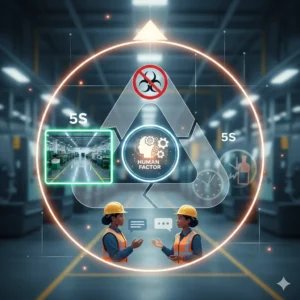
  3. Investigation: Systematic analysis of technical, organisational, and human factors.
  4. Corrective Actions: Implementing changes to eliminate the possibility of a recurrence.

11.2 Emergency and Self-Protection Plans

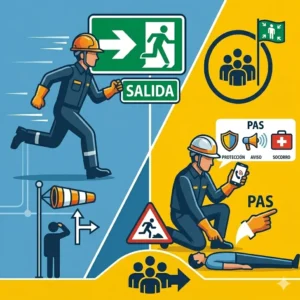
Every company must have an Emergency Plan that defines who does what, how, and when during a crisis.


The Emergency Response Team (BHV/ERT)

The company’s Emergency Response Officers (BHV) are specifically trained to:

  • Provide Basic First Aid: Stabilise casualties until professional medical services arrive.
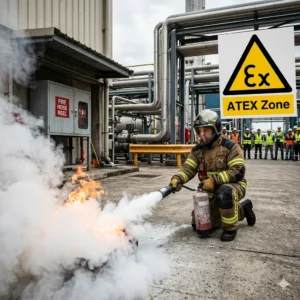
  • Initial Firefighting: Combat incipient fires (small-scale fires) using the correct equipment.
  • Evacuation Management: Guide personnel to assembly points in an orderly and calm manner.

VCA Training Center

Online Courses

To obtain the official certificate, it is necessary to take the exams and attend the courses in person.

Contact

Direction:

Van Maerlantstraat, 2060. Amberes

Days:

Monday, Wednesday, and Friday

Schedule:

16:00 – 18.30

Phone:

+32 493 43 62 95

+34 640 866 499

Mail: info@internationaltqi.com

©2025. internationaltqi.com | tqivca.com . All Rights Reserved.